What EDGE Certification in Africa Means and Why It Matters
Adeola Omolewa · 18 October 2026 · 7 min read
EDGE certification in Africa, explained: what it is, how the 20% threshold works, and why it suits Nigerian and African developers.
Contents
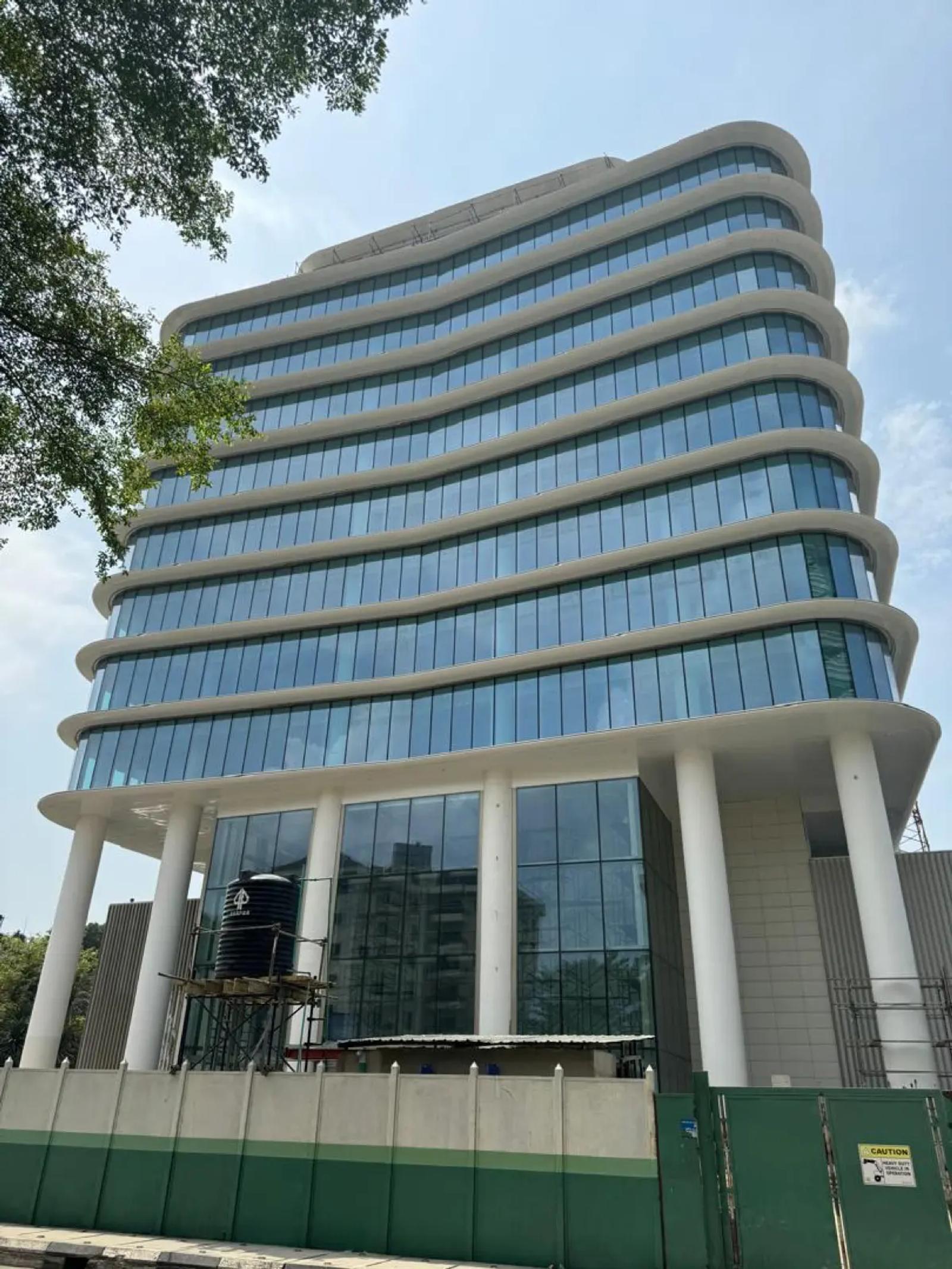
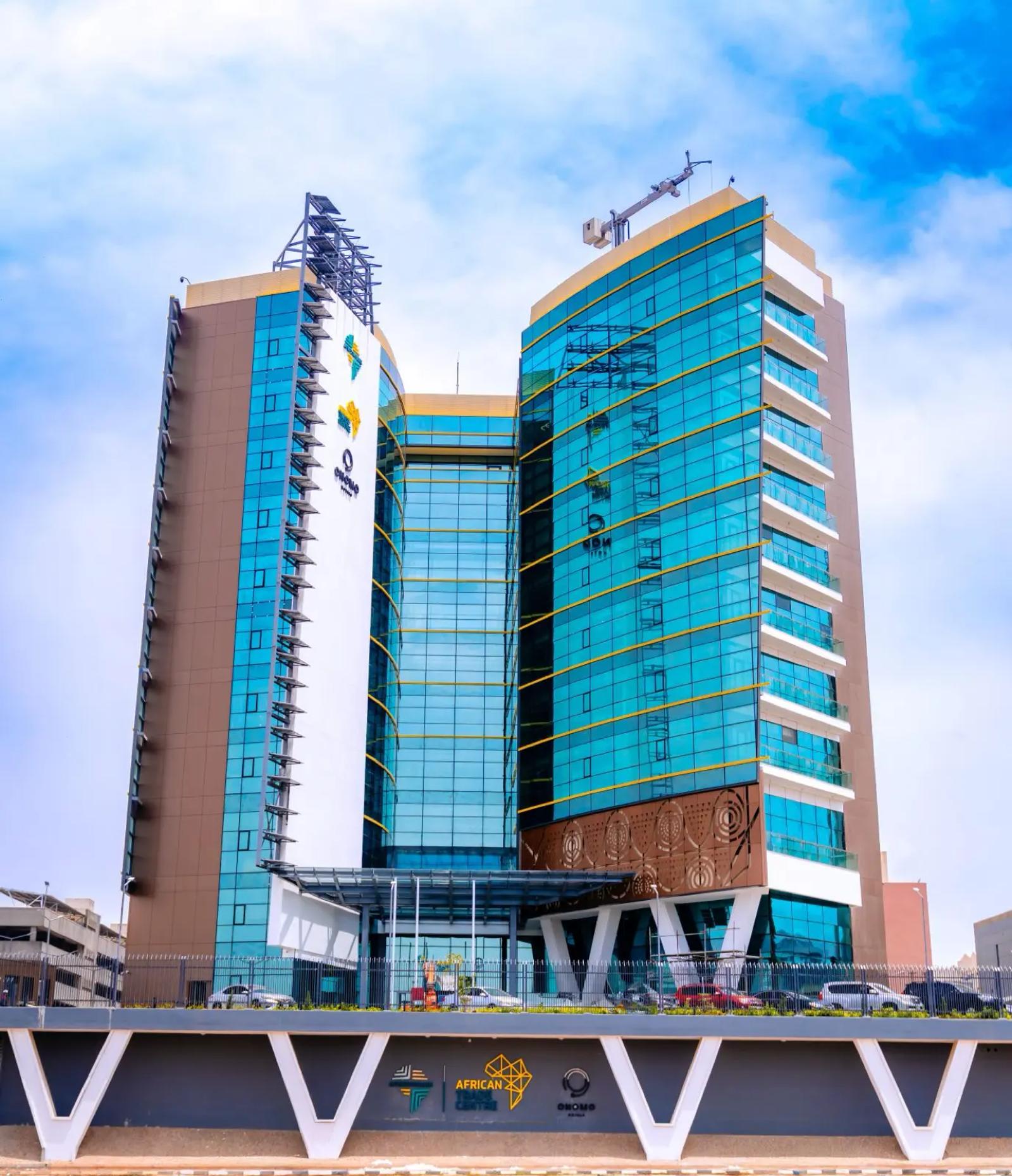
If you build, finance or manage property in Africa, you have probably heard the word EDGE more times in the last year than in the five years before it. A bank headquarters gets certified. A housing estate announces it. A lender starts asking about it.
But ask most developers what EDGE certification in Africa actually involves, and the answer gets vague.
Is it an award? A rating? Something only big towers can get?
This guide clears that up. We will cover what EDGE is, how it works, what the 20% threshold really means on a project, and why it is one of the most practical green building certifications for African developers right now.
What is EDGE certification?
The idea is simple. A building earns EDGE certification by proving it uses at least 20% less energy, 20% less water, and has at least 20% less embodied energy in its materials than a standard building in the same location.
That third measure is the one people miss. Embodied energy is the energy that goes into making and transporting the materials you build with: the cement, steel, glass, blocks and finishes. EDGE looks at what the building uses every day and what it took to put it up.
EDGE launched globally in 2013 and arrived in Africa in 2015. It is not an academic exercise. It was designed to answer a very practical question: can a developer prove that building green makes financial sense?
Why EDGE was built for Africa and other emerging markets
Most older green building rating systems were developed in cold-climate, high-income markets. They assume things like heating-dominated energy use, strong data availability, and large budgets for consultants and documentation.
EDGE took a different route. It was built for emerging markets, where building stock is growing fast, budgets are tighter, and developers need a clear and affordable path to certification. A few features make that possible:
- It uses local baselines. Your building is compared with a typical building in your own country and climate, not with a European or American one. A cooling-dominated Lagos building is measured against Lagos conditions.
- It runs on a free online tool. The EDGE App lets your design team test options, see the savings in real time, and decide which measures are worth the money.
- The workflow is streamlined. There are fewer stages and less paperwork than many people expect, which keeps time and fees down.
- It focuses on measures that pay back. The tool shows the cost impact of each efficiency measure, so decisions can be made on numbers.
For an African developer, this matters. You get a credible, internationally recognised result without a process that only a large firm could navigate.
What the 20% threshold means in practice
The 20% rule sounds easy until you look at how it works. Three things are worth understanding.
1. All three categories must hit 20%. You cannot make up for weak water performance with great energy performance. Energy, water, and embodied energy in materials each need to reach the 20% mark.
2. The comparison is against a local baseline. Savings are measured against a reference building in your location, not against an abstract global number. This is why the same design can perform differently in different cities.
3. It is a design-driven target. Most projects reach it through ordinary, well-chosen measures rather than exotic technology. Typical examples include:
- Efficient lighting and lighting controls
- Better window-to-wall ratios and glazing choices
- Roof insulation and shading
- Efficient cooling systems
- Low-flow taps, showerheads and water-efficient toilets
- Smart metering
- Material choices that cut embodied energy, such as the type of floor slab, wall construction or roof
EDGE also has three levels:
- EDGE Certified: at least 20% savings in energy, water and embodied energy in materials.
- EDGE Advanced: EDGE Certified, plus at least 40% energy savings. These projects are also described as Zero Carbon Ready.
- EDGE Zero Carbon: EDGE Advanced, with 100% of the building's energy met by renewables (on-site or off-site) or by purchased carbon offsets to cover the remainder. This level requires operating data from the building after it is in use.
Most projects start at the first level, and that is a perfectly good place to begin.
How the EDGE certification process works
The process is more straightforward than most developers expect. In broad terms:
- Model your design in the EDGE App. Your team enters the building details and tests efficiency measures until the project reaches the savings it needs.
- Register your project. You choose a certifier through the EDGE platform, see their fees, and register the project.
- Get preliminary certification at design stage. Your documentation is submitted and reviewed before construction.
- Build, then get final certification. After completion, the built project is verified against the design to confirm the savings are real.
Existing buildings can go straight to final certification. Many projects work with an EDGE Expert, a professional trained to guide teams through the tool and the documentation. Verification is done by an independent third party, and the exact roles of auditor and certifier can vary slightly by certifier, so confirm the setup when you choose yours.
The cost is a registration fee plus a certification fee, which vary by certifier and project size. There is no renewal requirement for the first two levels.
Why EDGE matters for African developers
This is the part that goes beyond rulebooks. EDGE matters because of what is happening in the market.
The numbers are moving. IFC reported in April 2025 that Africa had passed 10 million square metres of EDGE-certified floor space, as part of more than 100 million square metres worldwide (the global figure was reported at over 120 million by late 2025). South Africa leads with around 6.5 million. Kenya and Ghana have each passed one million. In Nigeria, IFC has reported more than 800,000 square metres of offices, homes, hospitals, retail, student housing, hotels and mixed-use space certified, and has put the figure at nearly one million.
Big names are putting their buildings through it. Access Bank and Standard Chartered Bank Nigeria have both received EDGE certification for Nigerian facilities. When banks, which are also lenders, certify their own premises, it tells the rest of the market where things are heading.
It is linked to access to finance. Development finance institutions and banks increasingly offer better terms for certified green projects. IFC itself has said that green buildings can be delivered at prices comparable to conventional ones, which weakens the old argument that green costs too much.
It cuts the bills you pay for years. Energy and water are real operating costs, especially in markets where grid supply is unreliable and many buildings run on diesel. A building designed to use a fifth less of both is a building with lower running costs and fewer shocks.
It gives you something to show. Certified projects can be validated publicly and used in marketing. For developers selling or leasing to multinational tenants, institutional investors and ESG-conscious buyers, that proof carries weight.
It is a foundation for what comes next. ESG reporting expectations, green bond frameworks and tenant requirements are all moving in one direction. A project that already has verified resource-efficiency data is better prepared for each of them.
Common misunderstandings about EDGE
"It is only for big commercial towers." No. EDGE covers homes, offices, retail, hotels, hospitals, schools, warehouses, student accommodation and mixed-use developments. IFC has also noted that a growing number of affordable homes across Africa are being certified.
"It will blow up the budget." Not by default. This is because the EDGE App shows the cost and the savings of each measure, teams can choose the combination that reaches 20% at the lowest additional cost.
"It replaces other certifications." It does not have to. EDGE is a different tool for different needs. Some projects use EDGE, some use other rating systems, and some use more than one. The right choice depends on your building type, your market and your goals.
"We can add it at the end." The savings are mostly decided at design stage. The earlier EDGE is part of the conversation, the cheaper and easier it is to reach the target.
Frequently asked questions
What does EDGE stand for? Excellence in Design for Greater Efficiencies.
Who created EDGE? The International Finance Corporation (IFC), part of the World Bank Group.
What is the minimum requirement for EDGE certification? A building must achieve at least 20% savings in energy, water, and embodied energy in materials compared with a standard local baseline.
Is EDGE certification available in Nigeria? Yes. EDGE-certified projects exist in Lagos, Abuja and other Nigerian cities, across several building types.
Does EDGE certification expire? EDGE Certified and EDGE Advanced do not require renewal. EDGE Zero Carbon has renewal requirements.
Where to start
The most useful first step is a conversation before the design is locked. Know your building type, your location and your budget, and test what 20% would take.
At Litedares Africa, we support developers and project teams across the continent as they work toward green building certification, including EDGE. If you are planning a project and want to understand what it would take, [book a consultation with our team] or [explore our green building certification support].